

Replacing your home’s siding is a significant investment that affects far more than curb appeal. The right siding protects your home from the elements, complements its architectural style, reduces maintenance, and contributes to its long-term value.
Many Northern Virginia homeowners find themselves comparing two popular options: James Hardie® fiber cement siding and engineered wood siding, such as LP® SmartSide®. Both offer attractive styles, improved durability over traditional wood siding, and manufacturer warranties. But choosing the right product involves more than comparing brochures.
Northern Virginia’s climate presents unique challenges for exterior materials. Hot, humid summers, intense sun exposure, heavy rain, and repeated freeze-thaw cycles all influence how siding performs over time.
This guide explains how Hardie fiber cement and engineered wood compare, what factors homeowners should evaluate before making a decision, and how thoughtful exterior design helps ensure your siding performs beautifully for years to come.
What Should You Consider Before Choosing New Siding?
Before comparing siding materials, it’s important to understand that the best choice depends on your home, your goals, and your long-term plans.
Before choosing a siding material, ask yourself:
- How well will the material perform in Northern Virginia’s climate?
- How much ongoing maintenance will it require?
- How long do you plan to stay in your home?
- Does it complement your home’s architectural style?
- Will it coordinate with your roofing, trim, windows, and gutters?
- Does it meet HOA requirements?
- What level of warranty protection is provided?
Looking beyond the initial purchase price often leads to a better long-term investment.
Why Northern Virginia’s Climate Matters
Exterior materials experience constant seasonal stress throughout Northern Virginia.
Summer heat and humidity expose siding to prolonged moisture and UV radiation, while winter brings repeated freeze-thaw cycles that can expand and contract building materials. Heavy rains and fluctuating temperatures place additional demands on your home’s exterior throughout the year.
These environmental conditions make both material selection and professional installation essential to long-term performance.
James Hardie Fiber Cement Siding
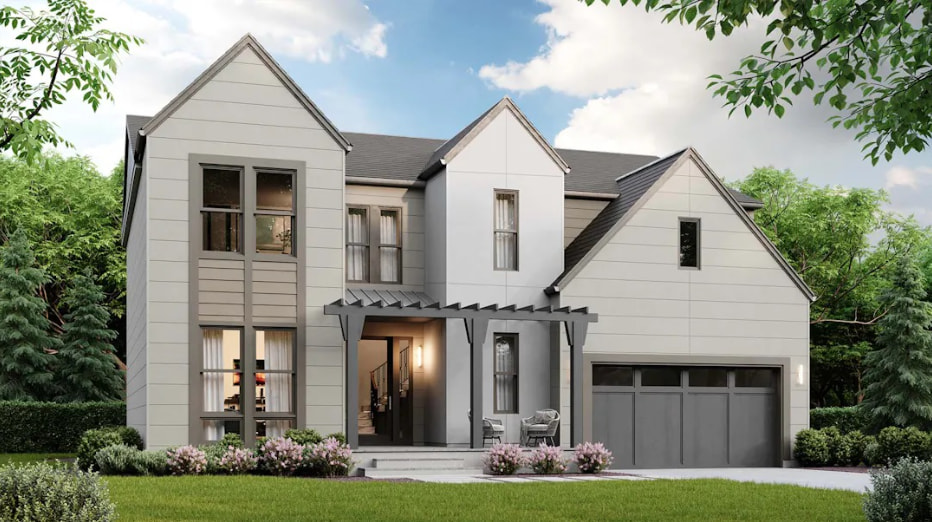
James Hardie fiber cement siding is manufactured from cement, sand, cellulose fibers, and water to create a durable exterior cladding designed for long-term performance.
Advantages
For many Northern Virginia homes, fiber cement offers several important benefits:
- Excellent resistance to moisture
- Outstanding stability during freeze-thaw conditions
- Resistance to rot, insects, and warping
- Low maintenance requirements
- Strong manufacturer warranty options, including ColorPlus® Technology on many products
Because fiber cement experiences very little movement as temperatures and humidity change, it has become a popular choice throughout climates like Northern Virginia where seasonal weather can be demanding.
Considerations
Fiber cement is heavier than many siding materials and requires experienced installation. Proper flashing, clearances, and fastening methods are essential to achieving long-term performance.
Engineered Wood Siding
Engineered wood siding combines treated wood fibers with advanced resins and protective coatings to create siding that offers the appearance of natural wood with improved durability.
Advantages
Engineered wood offers homeowners:
- Authentic wood appearance
- Lighter weight
- Easier installation
- Strong impact resistance
- Competitive pricing
For homeowners seeking the warmth and character of wood, engineered wood siding can be an attractive option.
Considerations
Like any wood-based product, engineered wood requires careful installation and ongoing maintenance to help protect against long-term moisture exposure. Proper flashing, sealing, drainage, and routine maintenance become especially important in climates with high humidity and seasonal weather changes.
Which Siding Is Right for Your Home?
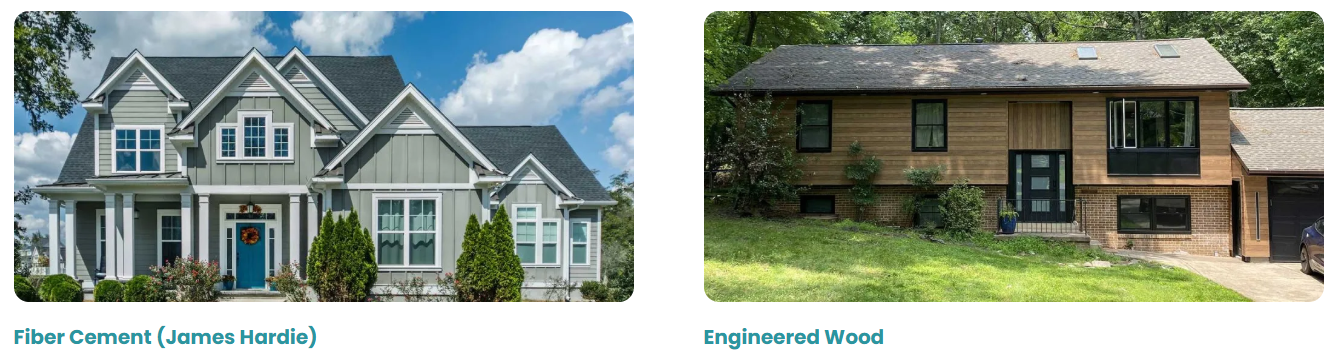
Both materials can perform well when properly selected and professionally installed.
Hardie fiber cement may be a better fit if you:
- Plan to remain in your home long term
- Want minimal maintenance
- Prioritize long-term durability
- Live in an area with significant weather exposure
Engineered wood may be worth considering if you:
- Prefer the appearance of natural wood
- Have architectural or HOA requirements
- Are comfortable with periodic maintenance
- Want a lighter-weight siding product
Ultimately, the right choice depends on balancing aesthetics, maintenance expectations, budget, and your home’s specific conditions.
The following comparison provides a high-level look at how the two materials differ.
Feature | Hardie Fiber Cement | Engineered Wood |
Moisture Resistance | Excellent | Very Good |
Maintenance | Low | Moderate |
Appearance | Wood-look finishes | Natural wood appearance |
Weight | Heavy | Lighter |
Climate Performance | Excellent for freeze-thaw climates | Performs well with proper installation and maintenance |
Warranty | Varies by product | Varies by product |
Installation Matters Just as Much as the Material
Even the highest-quality siding can underperform if it isn’t installed correctly. Proper flashing, moisture management, ventilation, fastening methods, and manufacturer installation requirements all play an important role in protecting your home for decades. Experienced installation also helps preserve manufacturer warranty coverage and reduces the risk of premature repairs.
Siding Is Only One Part of Your Exterior Design
Choosing siding is about creating an exterior that looks beautiful, performs reliably, and complements your home’s architecture for years to come.
The most successful exterior remodels consider how every element works together, including:
- Roofing
- Trim
- Windows
- Entry doors
- Gutters
- Color palette
- Architectural details
When these components are planned as one cohesive design, your home not only looks better but often performs better as well.
That’s why exterior remodeling should begin with design—not product selection.
Visualize Your Home Before Construction Begins
One of the biggest challenges homeowners face is trying to imagine how different siding colors, trim combinations, and roofing materials will look together.
Rather than relying on small material samples, visualization technology allows you to see different combinations in your own home before making final decisions. Comparing options digitally helps eliminate guesswork and gives homeowners greater confidence that every exterior element works together.
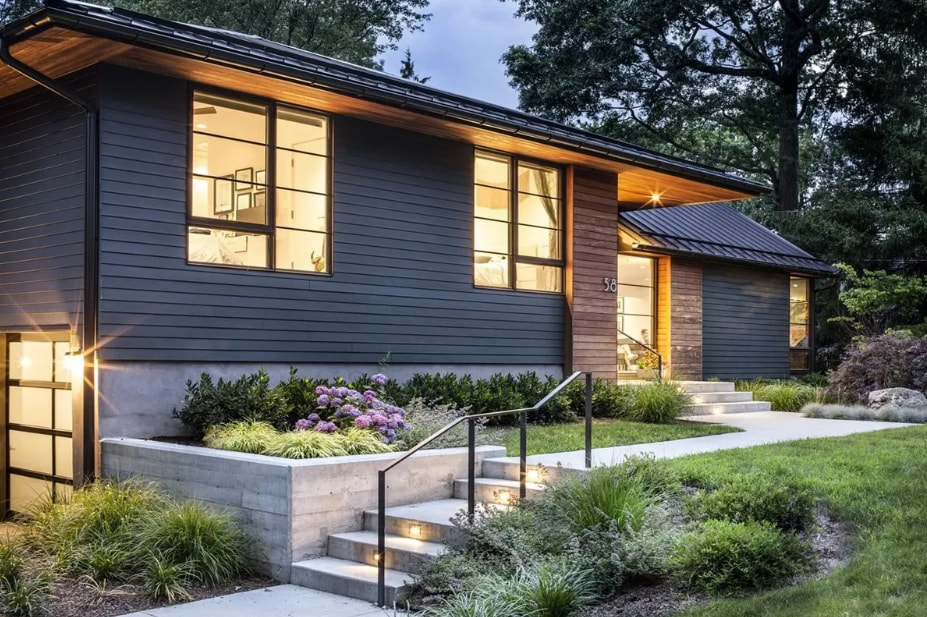
The Three-Step Path to Choosing the Right Siding
Step 1: Understand Your Home’s Needs
Every home responds differently to Northern Virginia’s climate. Before selecting a siding material, consider factors such as your home’s architectural style, sun exposure, moisture conditions, HOA requirements, maintenance expectations, and how long you plan to stay in your home. These factors all influence which siding option will provide the best long-term performance.
Step 2: Evaluate Long-Term Performance and Value
Rather than focusing solely on upfront cost, compare how each material performs over time. Consider durability, maintenance requirements, manufacturer warranties, repairability, and how well the product stands up to Northern Virginia’s weather conditions. The right investment is the one that best fits both your home and your long-term goals.
Step 3: Design Your Exterior as a Complete System
Your siding shouldn’t be selected in isolation. Roofing, windows, trim, gutters, entry doors, and color selections all work together to define your home’s appearance and performance. Using our Design Your Home visualization technology, you can explore different combinations before construction begins, giving you confidence that every exterior element works together beautifully.
Why Homeowners Choose Curb Appeal Exterior
Rooted in more than 40 years of design-build excellence, Curb Appeal Exterior approaches siding replacement as part of a complete exterior transformation—not simply a product installation.
Every exterior remodel begins by evaluating:
- Your home’s architecture
- Your maintenance preferences
- Northern Virginia’s climate
- Long-term durability
- How siding works together with roofing, windows, trim, and gutters
Using our Design Your Home visualization technology, you can explore different material, color, and style combinations before construction begins, helping you make informed decisions with confidence.
Every home is different, which means there isn’t a single siding product that’s right for everyone. The best choice depends on your home’s architecture, your maintenance preferences, your investment goals, and how you want your exterior to perform over time. Our role is to help you evaluate the options and design an exterior that’s both beautiful and built to last.
Ready to start planning your exterior remodel? Schedule a complimentary design consultation with Curb Appeal Exterior. We’ll help you compare siding materials, visualize different exterior design options, and create a remodeling plan tailored to your home, your goals, and Northern Virginia’s climate.
Frequently Asked Questions
Which Siding Performs Better During Northern Virginia's Freeze-Thaw Cycles?
Both James Hardie® fiber cement siding and engineered wood siding are designed to perform well when properly installed and maintained. However, because fiber cement absorbs less moisture than wood-based products, it is often chosen for climates like Northern Virginia that experience repeated freeze-thaw cycles. Engineered wood siding can also provide excellent performance, but proper installation, moisture management, and ongoing maintenance are especially important to help maximize its longevity.
How Often Does Siding Need to Be Repainted in Northern Virginia?
The lifespan of a siding finish depends on the material, sun exposure, weather conditions, and ongoing maintenance. James Hardie® ColorPlus® Technology is engineered to provide long-lasting color performance and typically requires less frequent repainting than many traditional siding finishes. Engineered wood siding also offers durable factory-applied finishes, though repainting intervals may vary based on the product, exposure to the elements, and maintenance.
Regular inspections, keeping gutters clean, and addressing damage promptly can help extend the life of your siding’s finish, regardless of the material you choose.
Is Engineered Wood Siding Less Expensive Than Hardie?
In many cases, the initial cost of engineered wood siding and James Hardie® fiber cement siding is relatively comparable, though pricing varies depending on the product selected, home design, and installation requirements. Rather than focusing only on upfront cost, it’s important to consider long-term value, including maintenance needs, durability, warranty coverage, and expected lifespan.
A professional exterior remodeling consultation can help you compare both options based on your home’s design, budget, and long-term goals.
What's the Warranty Difference Between Hardie and Engineered Wood Siding?
Both James Hardie® fiber cement siding and engineered wood siding are backed by manufacturer warranties, but the coverage varies by product line and finish. Many factory-finished Hardie products include long-term color performance warranties, while engineered wood products also offer warranty protection for both the siding and factory-applied finishes.
When comparing warranties, look beyond the number of years. Consider whether the warranty is prorated or non-prorated, what types of issues are covered, and whether coverage includes both the siding material and the factory finish. Reviewing these details can help you better understand the long-term value of each product.
Is Engineered Wood Siding a Good Choice for Northern Virginia Homes?
Yes. Engineered wood siding can be an excellent choice for Northern Virginia homes when it’s properly installed and maintained. It offers the warmth and appearance of natural wood, along with improved durability and impact resistance, making it a popular option for many homeowners.
Like any exterior siding material, its long-term performance depends on factors such as installation quality, moisture management, routine maintenance, and exposure to the elements. Because Northern Virginia experiences humid summers, heavy rainfall, and repeated freeze-thaw cycles, it’s important to select a siding product that’s well suited to your home’s design, your maintenance preferences, and your long-term goals.
An experienced exterior remodeling contractor can help you compare engineered wood and fiber cement siding to determine which option best fits your home and lifestyle.
Should I Choose Siding Based on Appearance Alone?
While appearance is an important consideration, it shouldn’t be the only factor in your decision. The best siding complements your home’s architecture while also performing well in Northern Virginia’s climate, fitting your maintenance preferences, and supporting your long-term investment goals.
A design-driven approach considers the complete picture—including durability, warranty coverage, maintenance requirements, and how your siding works with your roofing, windows, trim, and other exterior elements. The result is an exterior that’s both beautiful and built to last.
Can I Use Hover to Visualize Different Siding Options on My Home?
Yes. Curb Appeal Exterior uses Hover technology to help you visualize different siding profiles, colors, textures, and other exterior materials on your actual home before construction begins. Seeing different design combinations side by side makes it easier to compare options and feel confident in your decisions.
Because siding is just one part of your home’s exterior, Hover also allows you to explore how your siding works with roofing, trim, windows, and other architectural elements to create a cohesive, well-designed appearance.
About the Author
Andrew Schroeder brings nearly four decades of expertise in exterior renovation and design-build construction to homeowners in Northern Virginia. As the founder of Curb Appeal Exterior and backed by Schroeder Design Build’s legacy since 1986, Andrew has overseen hundreds of comprehensive exterior transformations throughout Fairfax and surrounding communities.
His commitment to excellence extends beyond craftsmanship to include meaningful community impact, with every project contributing to local K-12 organizations. Andrew’s comprehensive expertise spans roofing, siding, windows, and integrated design systems, ensuring every transformation delivers exceptional results while building stronger communities. His innovative approaches to exterior renovation and dedication to social responsibility have established Curb Appeal as Northern Virginia’s premier choice for homeowners seeking complete exterior makeovers with lasting community impact.