


Replacing your roof is one of the biggest exterior investments you’ll make in your home. But many Northern Virginia homeowners make roofing decisions before considering future plans for siding, trim, windows, gutters, or overall curb appeal.
The result? Exterior elements that feel disconnected instead of intentionally designed together.
Before choosing roofing materials, it’s worth understanding how your roof impacts the look, balance, and long-term flexibility of your home’s complete exterior design.
in crisis mode leads to results you’ll love for decades instead of tolerating while you wait to fix everything else.
Why Roof Replacement Shouldn’t Be Planned in Isolation
In many Fairfax-area homes, roof replacement starts with urgency. The shingles are aging, leaks may be developing, or an inspection has revealed it’s time for replacement.
Naturally, most homeowners focus on solving the immediate problem.
But what often gets overlooked is how strongly your roof influences the rest of your exterior. Roof color, material profile, and visual weight affect everything from siding selections to trim proportions and overall curb appeal.
If you plan to update other exterior elements within the next few years, replacing your roof without a larger design plan can unintentionally limit your future options.
For example:
- A roof color that works with today’s siding may clash with future exterior updates
- New architectural shingles may feel visually heavy against outdated trim details
- Updated windows or siding profiles may shift the balance of your home’s overall elevation
These issues are common when exterior projects happen independently rather than as part of a coordinated plan.
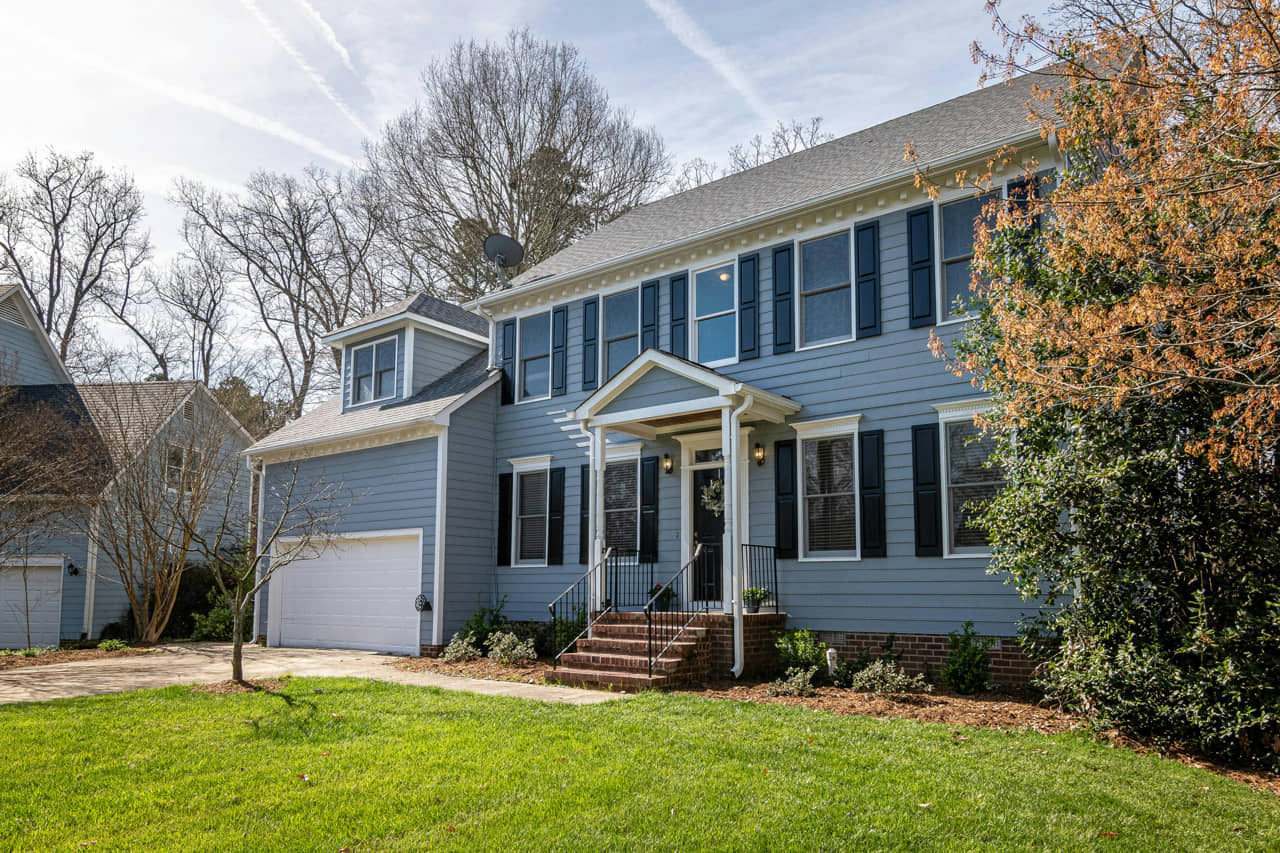
How Your Roof Affects Your Home’s Exterior Design
Roof Color Shapes the Entire Exterior Palette
Your roof accounts for a significant portion of your home’s visible exterior, which means its color influences how every other material and finish appears alongside it.
When homeowners choose roofing materials based only on their current siding or trim, problems can arise later if those elements are eventually updated.
For example, a warm-toned roof selected to complement beige vinyl siding may feel out of place if you later transition to cooler-toned fiber cement siding or a more modern exterior palette.
Because roofs often last 20–30 years, it’s important to think beyond your home’s current appearance and consider how your exterior may evolve over time.
According to the National Association of Home Builders, cohesive exterior color palettes and strong curb appeal can positively influence perceived home value and buyer interest. That’s one reason many homeowners choose to evaluate roofing, siding, trim, and windows together rather than as completely separate projects.
Visualization tools like Hover Design Studio can also help homeowners preview how roofing colors interact with future siding, trim, and exterior material selections before construction begins.
Trim and Rooflines Need to Feel Balanced
Roofing materials also affect the visual proportions of your home.
Today’s dimensional architectural shingles often create more texture and visual depth than older roofing products. In some homes, this can make existing fascia, soffits, or trim feel undersized or dated by comparison.
Likewise, if you plan to install more substantial trim details during a future exterior remodel, your roofing selections should complement those proportions rather than compete with them.
When these elements are thoughtfully planned together, the home feels more cohesive and architecturally balanced.
Siding and Roofing Should Work Together
Siding style, material, and orientation all influence how your roof is perceived visually.
For example:
- Horizontal lap siding creates strong horizontal lines
- Board-and-batten siding introduces vertical movement
- Dark roofing emphasizes rooflines more dramatically
- Lighter roofing can soften the appearance of the roof mass
When siding and roofing are selected independently, these visual relationships can feel disconnected. Coordinated planning helps create a more intentional exterior composition that enhances the home as a whole.
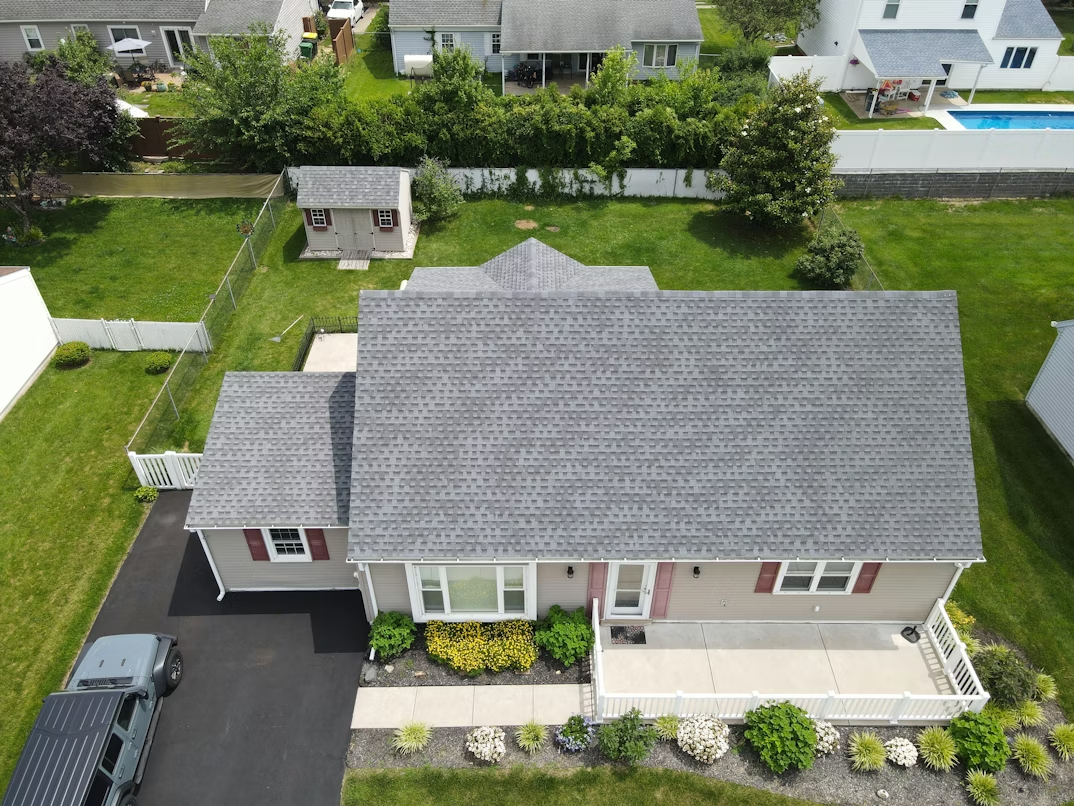
Common Situations Where Homeowners Run Into Problems
Many exterior remodeling regrets happen because projects are completed in phases without an overall design strategy.
Some of the most common examples include:
- Replacing a roof before updating siding colors
- Installing windows that don’t align with future trim plans
- Choosing roofing materials before redesigning the home’s architectural style
- Updating one exterior element at a time without considering proportion and color relationships
This doesn’t mean every exterior project needs to happen all at once. It simply means the long-term vision should guide the decisions being made today.
A Smarter Way to Plan Exterior Remodeling Projects
The best exterior remodels are designed comprehensively, even when construction happens in phases.
Before selecting roofing materials, it helps to define:
- Your long-term exterior goals
- Potential future siding or window updates
- Preferred architectural style
- Desired color palette
- Budget and project timeline
With a complete vision in place, you can make informed decisions about which projects to prioritize and how each phase supports the final result.
This approach often prevents:
- conflicting material selections
- unnecessary redesigns
- costly compromises
- exterior elements that feel mismatched over time
Visualizing the Full Exterior Before Construction Begins
Modern visualization technology makes it easier than ever to plan exterior remodels with confidence.
Using tools like Hover Design software, homeowners can preview roofing, siding, trim, shutters, and other exterior elements together before construction begins.
Rather than guessing how materials may look together, you can see how different combinations affect your home’s overall appearance in real time.
This is especially valuable when planning phased exterior updates, helping ensure future improvements continue building toward a cohesive final design.
Why Design-Driven Exterior Planning Matters
A roof replacement is more than a maintenance project. It’s an opportunity to rethink how your entire home looks, functions, and feels from the street.
At Curb Appeal Exterior, we help Northern Virginia homeowners approach exterior remodeling with the bigger picture in mind. From roofing and siding to trim, windows, and gutters, our team focuses on creating exterior designs that feel cohesive, timeless, and thoughtfully planned.
Rather than treating each project as a separate replacement, we help homeowners make decisions that support their long-term vision and investment.
Backed by the legacy of Schroeder Design Build, our team brings decades of design-build experience to every exterior remodeling project throughout Fairfax and Northern Virginia.
Frequently Asked Questions
Should I replace my roof if I plan to replace the siding within two years?
If you’re planning to replace your siding within the next 2–3 years, it’s worth developing a complete exterior design plan before committing to roofing colors and materials. This helps ensure your roofing selections complement your future siding rather than limiting your options or creating visual conflicts later on. In some cases, coordinating the timing of both projects can also lead to better overall results and long-term value.
How does roof color affect my future exterior remodeling options?
Your roof makes up a large portion of your home’s visible exterior, which means its color influences how siding, trim, windows, and other exterior elements work together visually. Choosing a roof color based only on your home’s current appearance can create limitations later if you plan to update other materials or finishes. Thoughtful exterior planning helps ensure your roofing selections support your long-term design vision rather than restricting future options.
What happens if I choose the wrong roof color for my planned exterior updates?
Because a roof is a long-term investment that can last 20–30 years, the color you choose today can influence future exterior remodeling decisions. If the roof color doesn’t coordinate well with future siding, trim, or window updates, homeowners may need to compromise on material selections or live with an exterior that feels less cohesive over time. Thoughtful exterior planning helps create a more balanced, timeless look that supports long-term curb appeal and value.
Can I replace my roof now and still plan a complete exterior remodel later?
Yes, but it’s important to plan ahead. Working with a design-driven exterior remodeling team can help you create a long-term vision for your home, including future materials, colors, and architectural details. From there, you can select roofing materials that support those future updates, even if other exterior projects happen later. This approach allows you to address immediate roofing needs while keeping your long-term exterior design goals intact.
How much does comprehensive exterior design planning cost?
The cost of exterior design planning varies depending on the scope of the project, but it typically represents a relatively small portion of your overall exterior remodeling investment. Thoughtful planning can help homeowners avoid costly issues later, such as selecting roofing colors that conflict with future updates or completing projects in an inefficient sequence. In many cases, having a cohesive plan from the start leads to better long-term results and more confident decision-making.
What’s the difference between a roofing contractor and an exterior design expert?
A roofing contractor typically focuses on the performance and installation of the roof itself, ensuring materials are installed properly and meet manufacturer specifications. An exterior design expert takes a broader approach, evaluating how roofing selections work with siding, trim, windows, color palettes, and the home’s overall architectural character. This helps homeowners make decisions that support both immediate needs and long-term exterior remodeling goals.
Should I wait on my roof if I’m planning a complete exterior remodel?
That depends on your roof’s condition, your remodeling timeline, and how extensive your future exterior updates will be. In some cases, coordinating projects together can create a more cohesive final result and improve long-term value. In others, replacing the roof first may make sense, especially if immediate repairs are needed. A design consultation can help evaluate the best approach for your home, timeline, and long-term exterior goals.
About the Author
Andrew Schroeder brings nearly four decades of experience in exterior renovation and design-build construction to homeowners throughout Northern Virginia. As the founder of Curb Appeal Exterior and part of the family legacy behind Schroeder Design Build since 1986, Andrew has helped guide hundreds of exterior remodeling projects across Fairfax and surrounding communities.
His expertise spans roofing, siding, windows, trim, and integrated exterior design, with a focus on helping homeowners create cohesive, long-lasting transformations that enhance both curb appeal and functionality. Through Curb Appeal Exterior, Andrew also supports local K–12 organizations, reinforcing the company’s commitment to strengthening the communities it serves.